iGA Growth
Research & UX Design at Google Play
Year
2024
Skills
Visual Design, Interactive Prototyping, Research & Testing
BeyondtheBrowser: AnApproachtoGoogleAppGrowth
What's the best way to get website users to download our app? What app promotion strategies work well for other companies, and how can we use those ideas to grow our app user base?
Through a comprehensive market audit, I identified key trends in order to determine the best approach to increase app downloads.
Goal
Identify which promotional strategies are most effective in driving app downloads
Determine optimal placements for promotional entry points within the mobile web experience
Synthesize promotional formats to expand the existing component library

Context
To drive iOS Google App adoption and DAU growth, I conducted a competitive audit of 12 industry-leading mobile web promotions to identify high-conversion strategies for app downloads
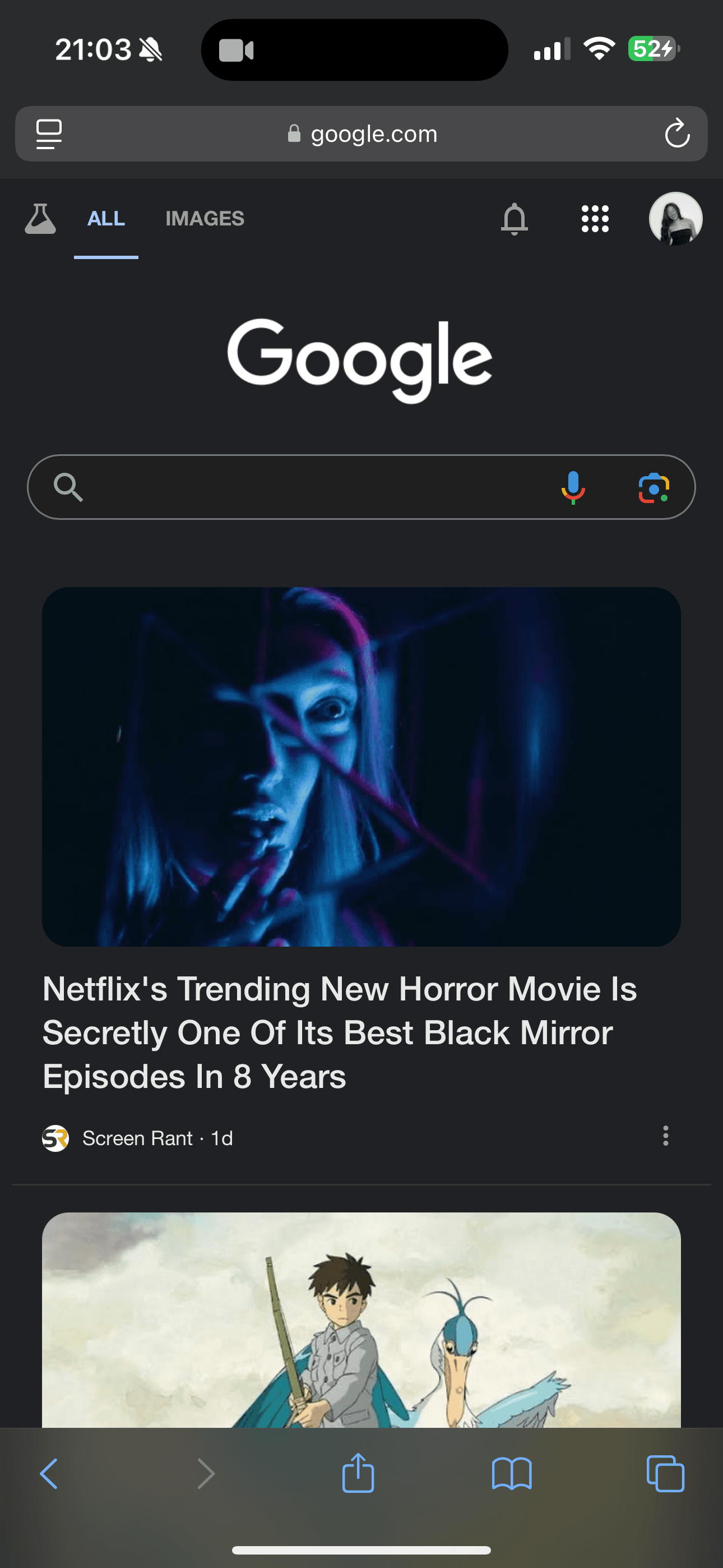
Limited to search-based recommendations
Mobile webs have browser elements that take up space
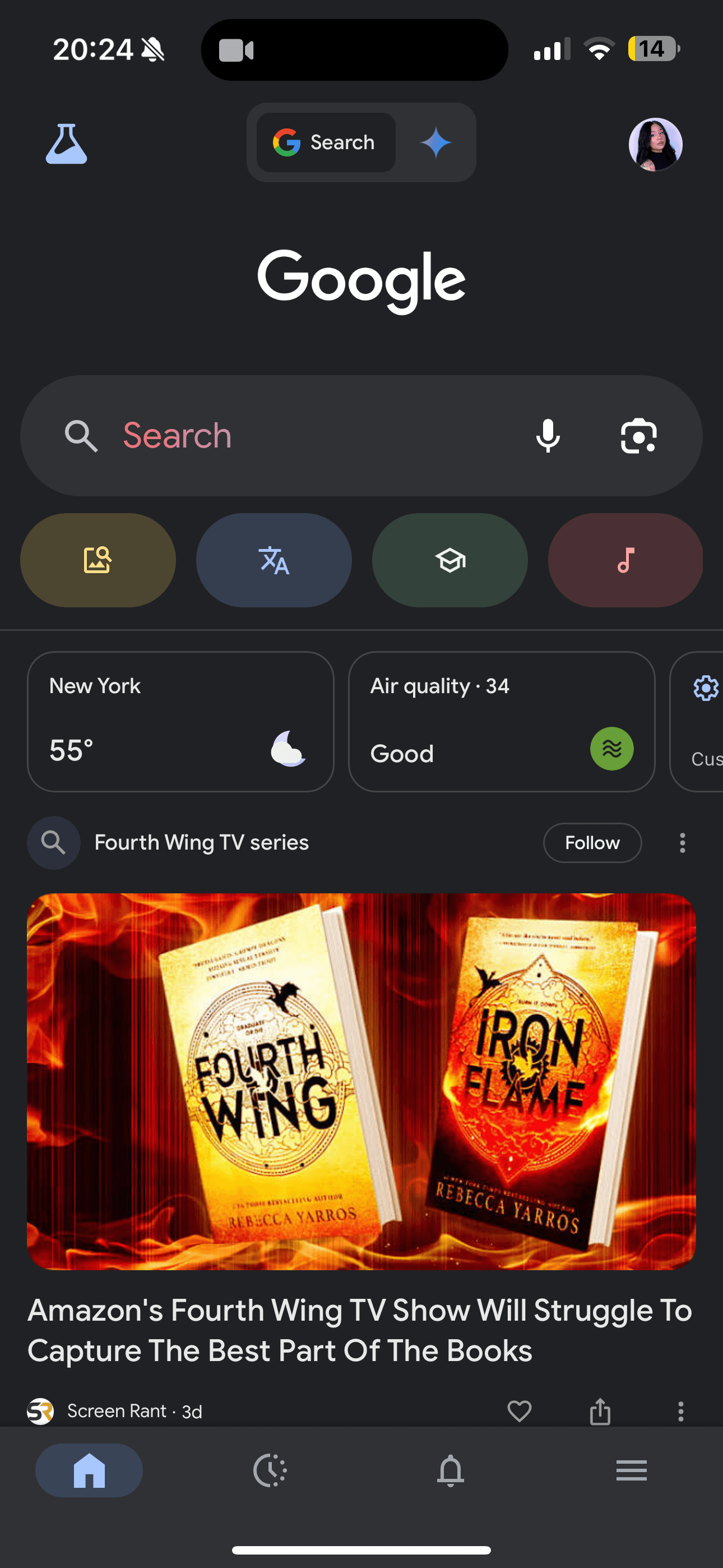
Additional functionalities and a more optimized layout
App-only features are highlighted on the app's home screen
Mobile apps have custom navigation bars
Process
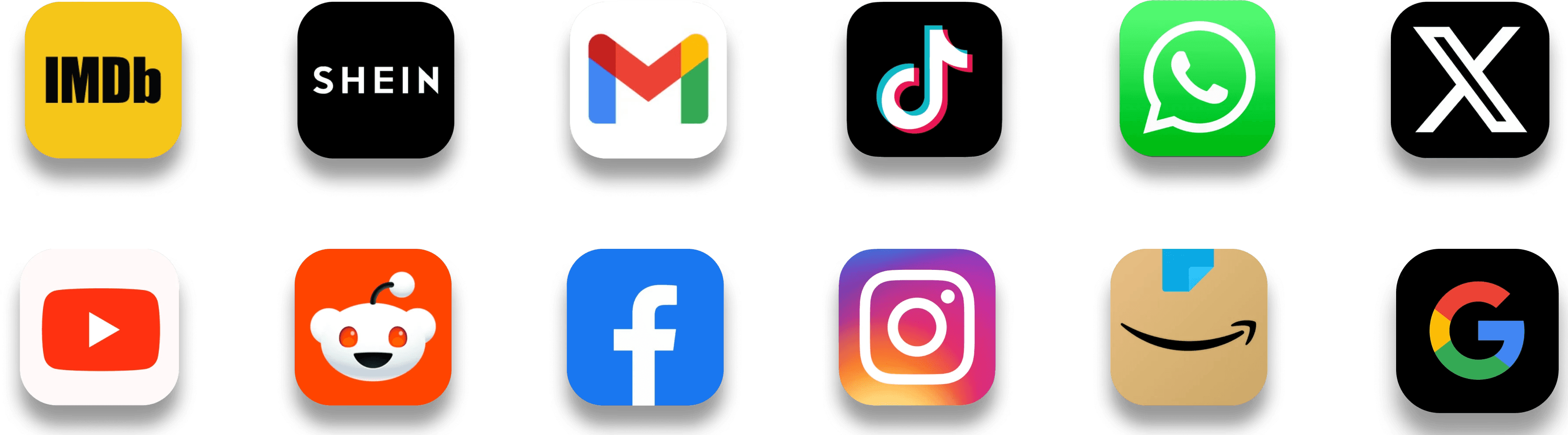
To find effective app download strategies, I analyzed 12 top mobile web promotions, comparing competitors and similar products. This involved looking at both their websites and apps.
To judge how well each promotion worked, I used these measures:
Exposure: How well the promotion grabs attention and gets its message across. This depends on things like size and how visible it is
Engagement: How well the promotion communicates. It needs to be clear and interesting enough to make users want to interact.
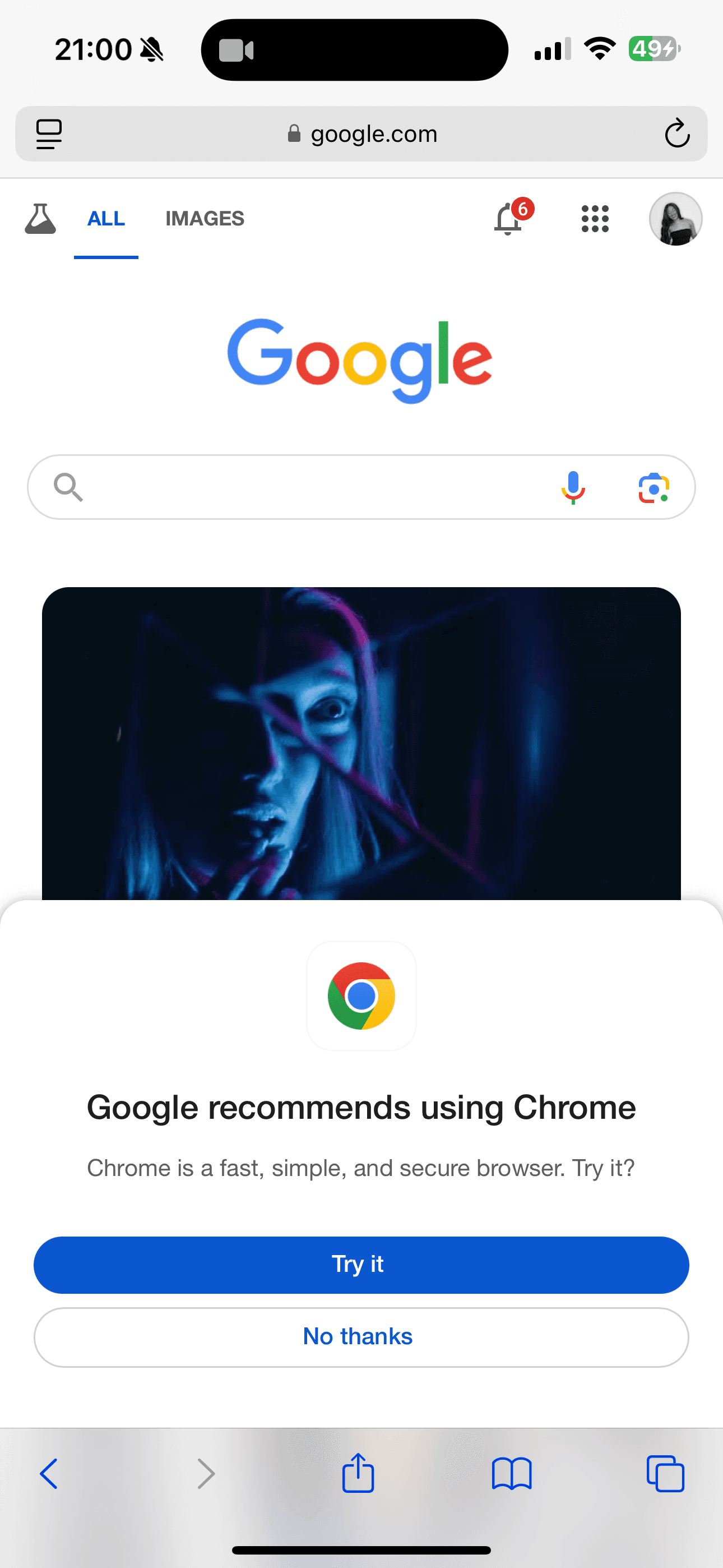
Engagement:
Users are presented with a choice
Exposure:
message occupies half the screen, ensuring high visibility
Audit Results
My competitive audit identified five key patterns used to drive app adoption: leveraging limited web functionality, omnipresent prompts, and personalized messaging to create a sense of urgency. Additionally, I found that highlighting user-generated content and offering app-exclusive features served as the strongest incentives for users to transition from mobile web to a dedicated app experience.
Designing
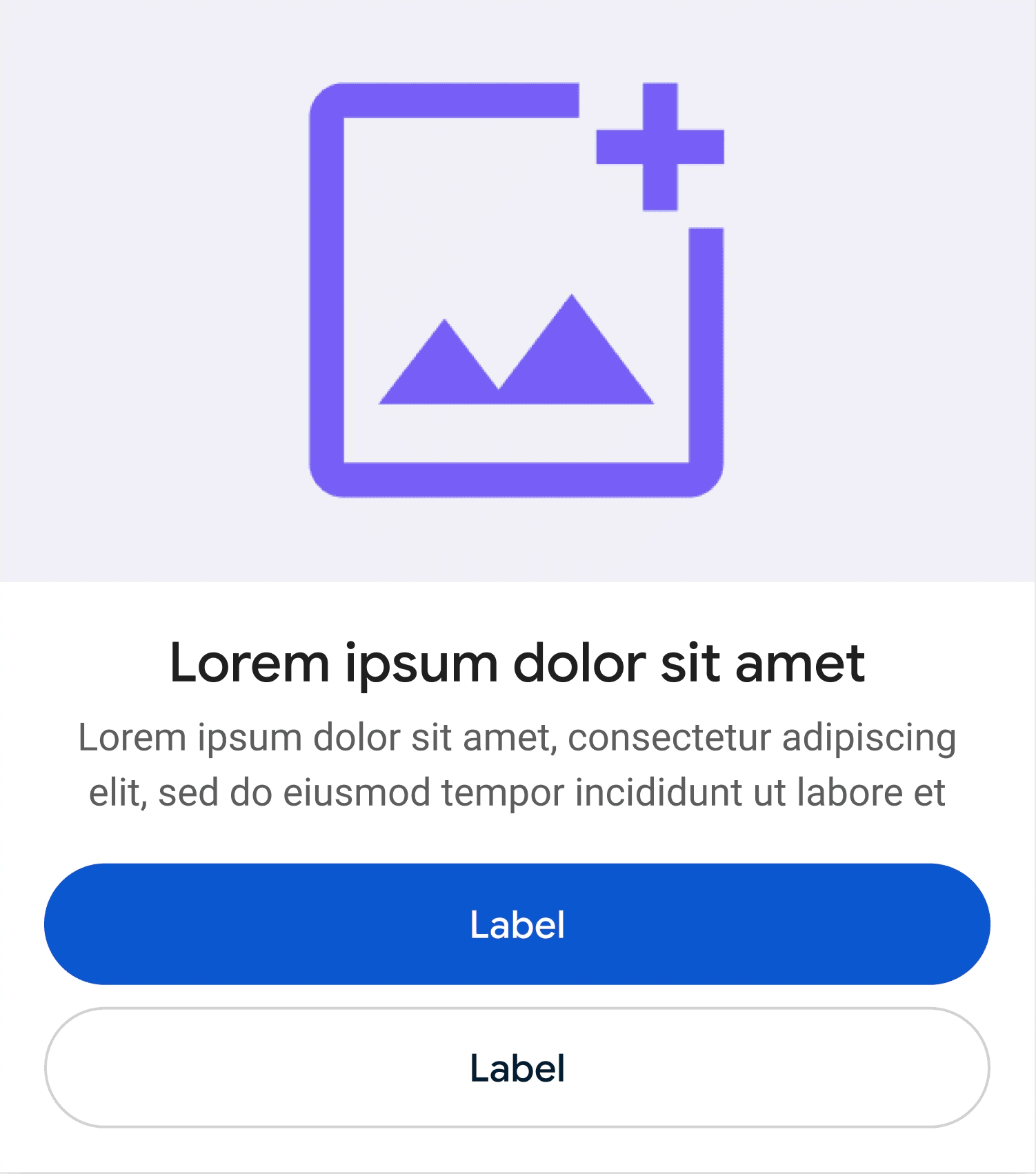
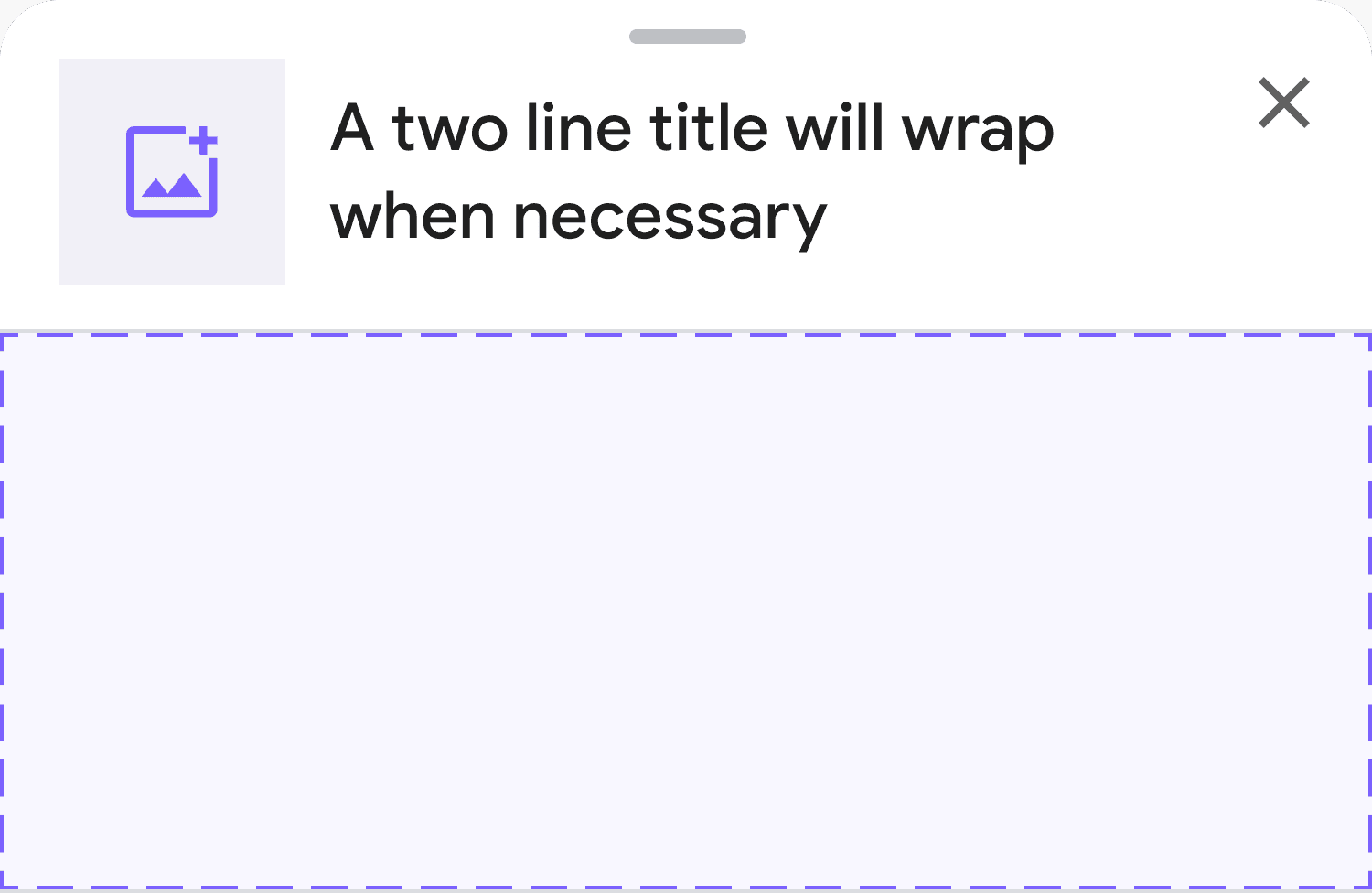
My design choices were heavily informed by the Google Search design system, allowing me to create promotional messaging that seamlessly integrates with the broader Google ecosystem.



Results
Leveraging embedded interactivity—such as mini-map integrations—significantly boosted session time and conversion rates by demonstrating immediate app value to drive long-term user adoption.
I implemented a multi-layered promotional strategy using subtle banners and inline prompts to introduce app features organically, enhancing user adoption through a non-intrusive, informative experience.
iGA Growth
Research & UX Design at Google Play
Year
2024
Skills
Research, Interactive Prototyping, Competitive Auditing
BeyondtheBrowser: AnApproachtoGoogleAppGrowth
What's the best way to get website users to download our app? What app promotion strategies work well for other companies, and how can we use those ideas to grow our app user base?
Through a comprehensive market audit, I identified key trends in order to determine the best approach to increase app downloads.
Goal
Identify which promotional strategies are most effective in driving app downloads
2. Determine optimal placements for promotional entry points within the mobile web experience
Synthesize promotional formats to expand the existing component library
Context
To drive iOS Google App adoption and DAU growth, I conducted a competitive audit of 12 industry-leading mobile web promotions to identify high-conversion strategies for app downloads
Limited to search-based recommendations
Mobile webs have browser elements that take up space
Additional functionalities and a more optimized layout
Mobile apps have custom navigation bars
App-only features are highlighted on the app's home screen
Process
To find effective app download strategies, I analyzed 12 top mobile web promotions, comparing competitors and similar products. This involved looking at both their websites and apps.
To judge how well each promotion worked, I used these measures:
Exposure: How well the promotion grabs attention and gets its message across. This depends on things like size and how visible it is
Engagement: How well the promotion communicates. It needs to be clear and interesting enough to make users want to interact.
Exposure:
message occupies half the screen, ensuring high visibility to the user.
Engagement:
Users are presented with a choice
Audit Results
My competitive audit identified five key patterns used to drive app adoption: leveraging limited web functionality, omnipresent prompts, and personalized messaging to create a sense of urgency. Additionally, I found that highlighting user-generated content and offering app-exclusive features served as the strongest incentives for users to transition from mobile web to a dedicated app experience.
Designing
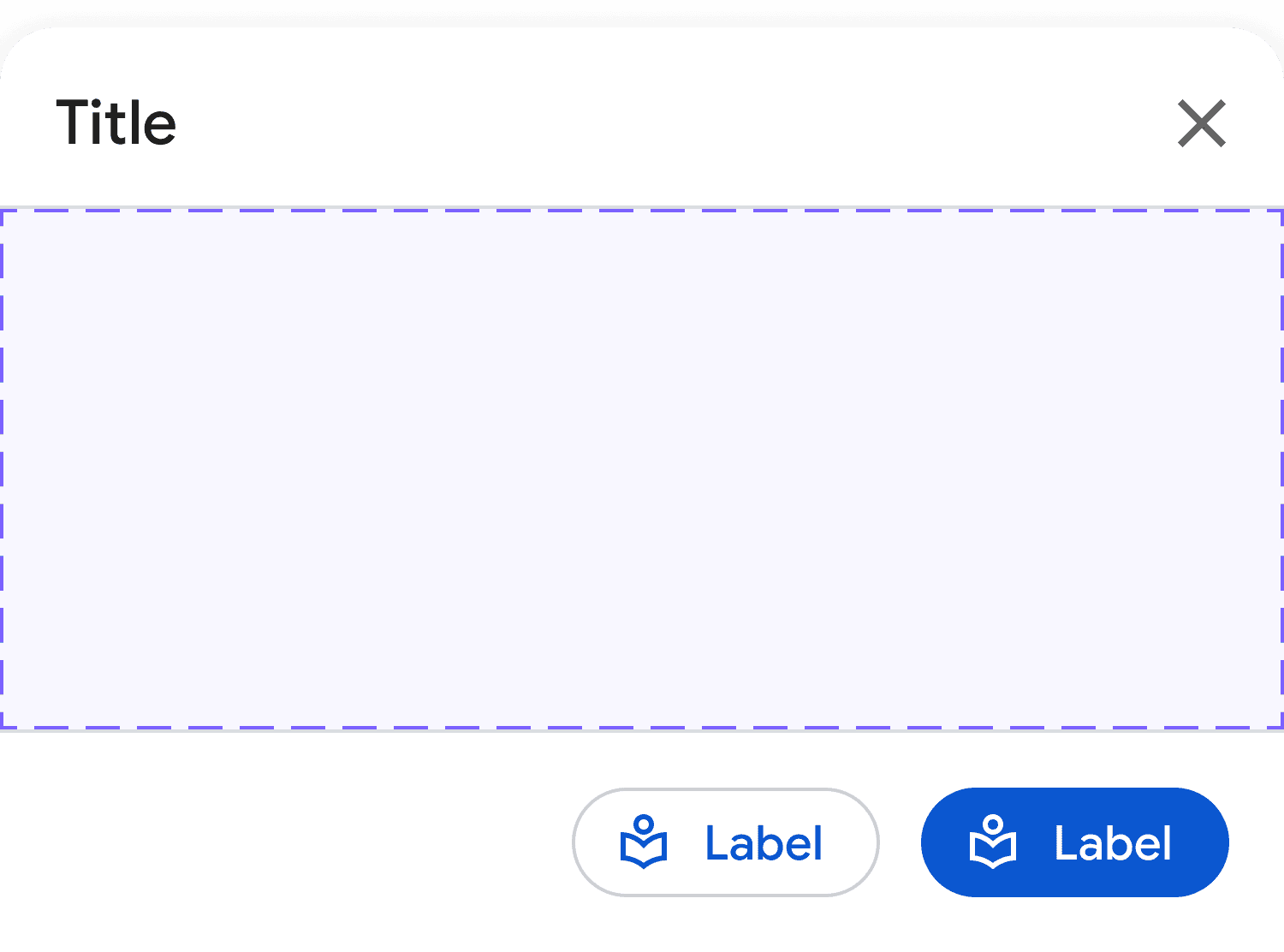
My design choices were heavily informed by the Google Search design system, allowing me to create promotional messaging that seamlessly integrates with the broader Google ecosystem.
Results
Leveraging embedded interactivity—such as mini-map integrations—significantly boosted session time and conversion rates by demonstrating immediate app value to drive long-term user adoption.
I implemented a multi-layered promotional strategy using subtle banners and inline prompts to introduce app features organically, enhancing user adoption through a non-intrusive, informative experience.
iGA Growth
Research & UX Design at Google Play
Year
2024
Skills
Research, Interactive Prototyping, Competitive Auditing
BeyondtheBrowser: AnApproachtoGoogleAppGrowth
What's the best way to get website users to download our app? What app promotion strategies work well for other companies, and how can we use those ideas to grow our app user base?
Through a comprehensive market audit, I identified key trends in order to determine the best approach to increase app downloads.
Goal
Identify which promotional strategies are most effective in driving app downloads
2. Determine optimal placements for promotional entry points within the mobile web experience
Synthesize promotional formats to expand the existing component library
Context
To drive iOS Google App adoption and DAU growth, I conducted a competitive audit of 12 industry-leading mobile web promotions to identify high-conversion strategies for app downloads
Limited to search-based recommendations
Mobile webs have browser elements that take up space
Additional functionalities and a more optimized layout
Mobile apps have custom navigation bars
App-only features are highlighted on the app's home screen
Process
To find effective app download strategies, I analyzed 12 top mobile web promotions, comparing competitors and similar products. This involved looking at both their websites and apps.
To judge how well each promotion worked, I used these measures:
Exposure: How well the promotion grabs attention and gets its message across. This depends on things like size and how visible it is
Engagement: How well the promotion communicates. It needs to be clear and interesting enough to make users want to interact.
Exposure:
message occupies half the screen, ensuring high visibility to the user.
Engagement:
Users are presented with a choice
Audit Results
My competitive audit identified five key patterns used to drive app adoption: leveraging limited web functionality, omnipresent prompts, and personalized messaging to create a sense of urgency. Additionally, I found that highlighting user-generated content and offering app-exclusive features served as the strongest incentives for users to transition from mobile web to a dedicated app experience.
Designing
My design choices were heavily informed by the Google Search design system, allowing me to create promotional messaging that seamlessly integrates with the broader Google ecosystem.
Results
Leveraging embedded interactivity—such as mini-map integrations—significantly boosted session time and conversion rates by demonstrating immediate app value to drive long-term user adoption.
I implemented a multi-layered promotional strategy using subtle banners and inline prompts to introduce app features organically, enhancing user adoption through a non-intrusive, informative experience.